
Personalized Speech Therapy in Ashland, VA
We offer tailored treatment for infants, children, and adults to foster healthy oral function for speech, eating, and breathing.
Where Evidence-Based Methods Meet Kind-Hearted Care
When you or your child is experiencing difficulty with speech, feeding, or swallowing, what seems simple day-to-day can become increasingly challenging as time goes on. Infants and children can even suffer from developmental issues if professional support isn’t sought out, making building confidence, enjoying quality of life, and thriving in social interactions more frustrating than they need to be.
Infants who experience feeding difficulties can deal with issues such as quality of life, weight gain, and development. Additionally, children and adults may be challenged when going through normal days in school, work, and personal relationships. As time goes on with no real action plan, the issues can become more painful to overcome—especially when it comes to finding a long-term and realistic solution.
The Center for Speech & Swallowing offers specialized speech, swallowing, and feeding therapy in Ashland, VA, for infants, children, and adults. Our experienced specialists are highly skilled in using modern techniques based on best practices and backed by evidence to design customized care plans around your needs. We help manage a wide range of issues, ensuring that you see progress on your personal goals through a therapeutic process. Our approach helps you feel informed, comfortable, and empowered during your journey.
Ready to solve speech and swallowing challenges for a better quality of life?
Begin your journey by scheduling a consultation with our dedicated team today.
Helping Ashland Residents and Welcoming Patients Nationwide for Speech Therapy and More

Tongue Tie /Lip Tie
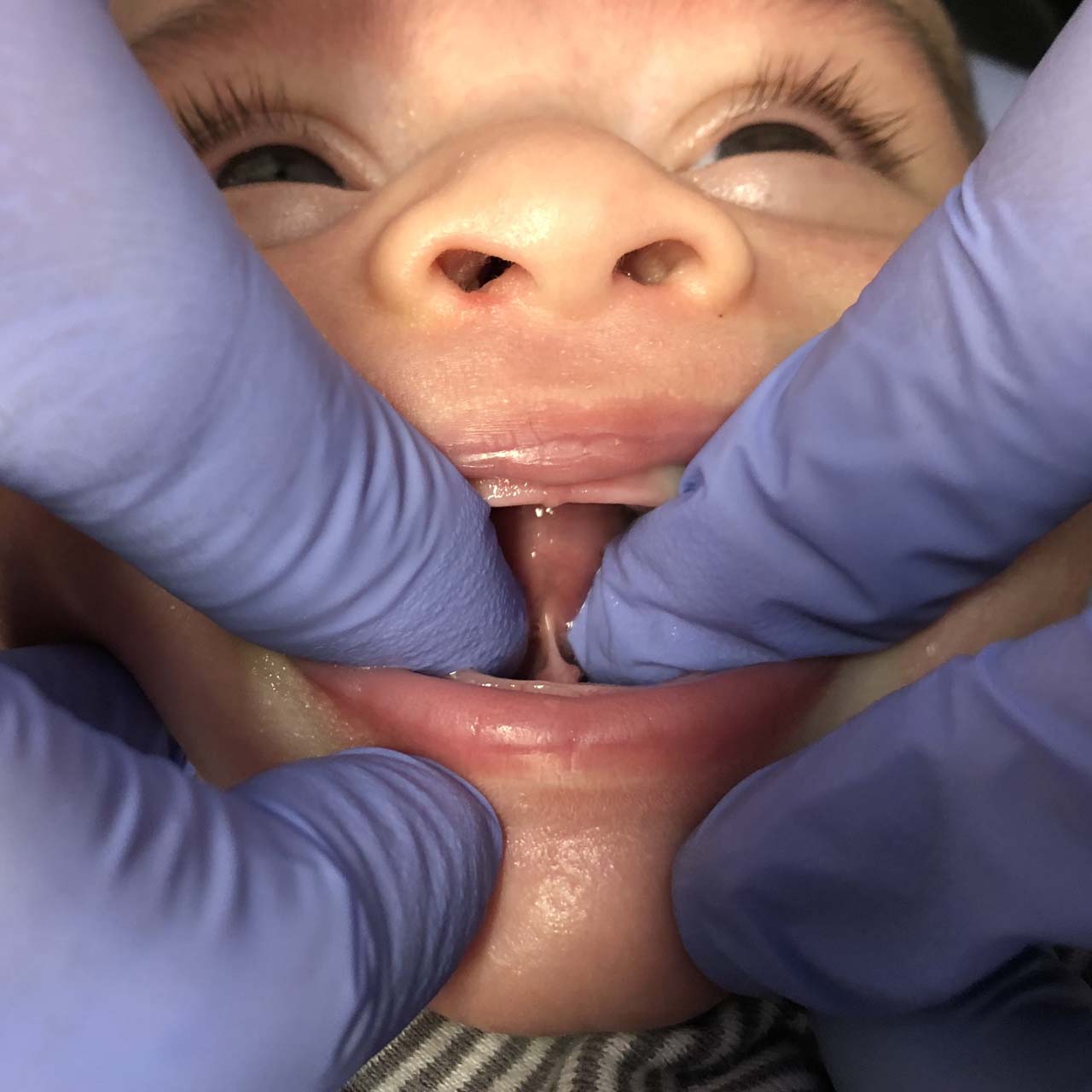
We’re Ashland’s premier experts in identifying, evaluating, and managing tongue and lip ties in infants, children, and adults.
Count on us to effectively manage speech and feeding difficulties related to oral ties with the most up-to-date evidence-based therapy techniques.
Oral Myofunctional Therapy
As a specialized Oral Myofunctional therapy center, we diagnose, plan, and apply corrective therapies to those with oral myofunctional disorders.
Build your understanding with proper assessment and treatment.
Habit Elimination
Detecting and eliminating negative oral habits such as thumb/finger sucking and pacifier habits. You can be confident in our proven results.
Lactation Consulting
Feeding your baby is not self-explanatory. Whether your baby is breast or bottle fed, let us troubleshoot the reason for your baby’s difficulty. We use expert problem-solving techniques to improve feeding within the very first visit.
Craniosacral Therapy
At The Center For Speech & Swallowing, our trained practitioners use craniosacral therapy and other modalities such as myofascial release to improve range of motion in the tongue, lips, and cheeks. This serves as a valuable complement to traditional therapy for oral function and improves outcomes for speech and swallowing difficulties.
We Accept These Commercial and Virginia Medicaid Insurances





See if Lactation Consulting Is Covered Through These Services
For Cigna, please use the Wildflower link or QR code
For all other coverage, please use The Lactation Network link or QR code
If your insurance does not participate in Wildflower or The Lactation Network, please call us today and ask for special pricing


Gain Confidence and Feel Empowered with Healthy Oral Function Through Therapy and Treatment
When you choose The Center For Speech & Swallowing, you get access to highly trained assistance and effective, dependable therapy for the treatment of oral issues in infants, children, and adults.
With proven results, we help with:
- Feeding & swallowing difficulties
- Breastfeeding difficulties
- Tethered oral tissues (tongue tie, lip tie, buccal ties)
- Oral myofunctional disorders
- Speech difficulties
- Sleep disordered breathing
- Mouth breathing
- Drooling
- Picky eating
- Thumb sucking
Meet Your Manual Therapy Specialists
Our team brings a diverse set of medical and therapeutic backgrounds to every session, ensuring our care is rooted in deep clinical knowledge.
Hinde Haa
MA, CCC-SLP, QOM, IBCLC
Anna-Maria Barnes
M.Ed., CCC-SLP, CBS
Colleen Ross
BSN-RN, MSN, IBCLC
Khayla Henderson
BS, SLPA
Sara Krivanec
CD (DTI), CLC, CCLS


Compassionate Professionals Helping You Work Toward Long-Term Success
Managing speech difficulties requires a specialized approach to speech therapy for local residents of Ashland, VA. The Center For Speech & Swallowing merges extensive expertise with genuine, tailored care. Our team is your trusted partner in long-term wellness and is passionate about providing just that.
We treat a wide variety of clients, from infants struggling with feeding to children and adults facing speech and swallowing troubles. Our specialists utilize state-of-the-art methods to develop truly personalized and practical care plans, ensuring that your treatment matches your unique situation.
We strive to empower our patients and their families. It can be seen in everything that we do, including keeping you informed and assured along your journey. By focusing on comprehensive solutions for issues like tethered oral tissues, oral myofunctional disorders, feeding difficulties, and speech difficulties, our team can help you or your loved one develop the skills for a lifetime of confident communication and improved quality of life.
Count on us for a team built on expertise, empathy, and a dedication to achieving lasting results for you.
Supportive Adult and Pediatric Speech Therapy in Ashland, VA
Certified and Passionate Professionals



Reliable Speech Therapy Providers Serving All of Ashland, VA
The Center For Speech and Swallowing is committed to helping infants, children, and adults obtain healthy oral function through our speech therapy, feeding therapy, lactation services, and more throughout Central Virginia and the Ashland, VA area, including but not limited to:
Ashcake Rd, Ashland Junction Shopping Center, Ashland Skateland, Ashland Towne Square Apartments, Ashland Town Center, Ashland Train Station, Ashland Trolley Line Trail, Capital City Speedway, Carter Park, DeJarnette Park, E Patrick Henry Rd, England St, Hampton Inn by Hilton Richmond-North/Ashland, Jacket Park, John M. Gandy Elementary School, Jones Pond, Maple St, N Center St, Patrick Henry Family YMCA, Pufferbelly Park, Randolph-Macon College, South Taylor Street Park, Thompson St, Tru by Hilton Ashland, U.S. Rte 1, Woodside Estates Park, and more.
In addition to Virginia, we have welcomed patients nationwide and even offer telehealth services.
Success Simplified Every Step of the Way
What to expect:

A thorough assessment is completed to identify areas of weakness and establish a plan for correcting oral function for feeding and/or speech as well as promoting language development.

A therapy plan is established including specific goals in a logical sequence to get you or your child to the place they need to be for communication, improved feeding, and healthy functioning.

Follow-up visits are scheduled to implement individualized activities to achieve the established goals.
Ask Us Anything, We’re Your Safespace for Care
With thorough diagnosis, expert guidance, and versatile therapy or treatment, we’re dedicated to supporting you on your path to progress, success, and resolution for improved quality of life.
Feel confident in your therapy plan moving forward when you partner with us. We’re here to help in an open way that keeps you informed and promotes a high level of understanding.
Frequently Asked Ashland Speech Therapy Questions
What is the name of the tongue tie procedure?
The medical term for the procedure to release a tongue or lip tie is “frenectomy.” Some may refer to it as a “clipping” in that, until recent years, the primary form of release was using scissors. Due to advances in medicine, the tie may now be released with a laser and the procedure is informally referred to as a “tongue tie release.”
Discover more about how our team can help with tongue ties by visiting our tongue tie service page or contacting us.
My baby is so little, would it be better to wait until he is older before having the procedure?
At The Center For Speech and Swallowing, we take a conservative approach to frenectomy procedures. This is to allow the baby as much natural improvement as possible prior to considering release of oral ties. Using the Proximal-Distal Theory of Development, we strengthen the baby from the core, improve oral strength, and release restricted fascia. These interventions, combined with expert latching strategies, help the baby to achieve normal feeding through these modalities alone. If struggles persist after measurable strengthening is achieved, we then consider releasing oral ties. In this way, the baby’s mouth is stronger and the baby is better prepared to bounce back from the procedure easily.
I am an adult. As I have gotten older I notice my tongue is pushing forward between my top and bottom teeth when I talk and I notice certain sounds are not clear. Could this be a tongue tie?
Many adults live with a tongue tie for years without even realizing it. Just as we do not grow out of a tongue tie, the problems resulting from a tie become worse as we get older. We may snore or develop sleep apnea, the tongue may push against the front teeth during speech or swallowing, and we may clench or grind the teeth, to name a few symptoms. Oral myofunctional disorders such as these may be related to a tongue tie. During the evaluation we will determine weaknesses in the oral mechanism and what we can do to improve symptoms. It is never too late to start therapy to address an oral myofunctional disorder.
How many sessions of therapy are needed?
Infants: After the initial evaluation, a care plan will be developed based on the individual needs of the baby. This will include oral strengthening, manual therapy, latching strategies, and pre- and post-frenectomy care if a release of oral ties is needed. Therapy usually continues for 5-8 weeks, or until the baby is eating normally. Typically, we see improvement each week and base follow-up visits on the baby’s individual needs.
For older children and adults, the course of therapy takes longer because the mouth has had more time to habitually function in a less than optimal way. We will strengthen oral structures and retrain the lips, tongue, and jaw to operate normally. Retraining of correct breathing patterns will be addressed.
Can speech therapy be done virtually?
Yes! Teletherapy is an effective option for many clients. Virtual sessions use video conferencing platforms to deliver therapy, with activities tailored to your needs. Your speech pathologist will assess if teletherapy is appropriate for you or your child.
Is speech therapy covered by insurance?
Many insurance plans cover speech therapy, especially if it’s deemed medically necessary. Coverage varies, so check with your insurance provider about benefits, co-pays, or required referrals. Our office can assist with verifying insurance or discussing payment options.
Can adults benefit from speech therapy?
Absolutely! Adults can improve communication or swallowing skills affected by stroke, traumatic brain injury, dementia, voice disorders, or other conditions. Speech therapy can also help with professional communication, such as accent modification or public speaking. At the Center For Speech and Swallowing, we help people of all ages with speech difficulties.
Why didn’t they check my baby for a tongue tie before I left the hospital?
If your baby was nursing (with or without a nipple shield) or taking a bottle, it was probably assumed that everything was fine. Frequently new mothers get home and realize that feeding is not ideal. At that point it is beneficial to consult a specialist, particularly if sessions with the lactation consultant have proven unsuccessful. The earlier a tongue tie is identified and released, the sooner we can train baby to eat without difficulty.
How do I know for sure that my baby’s tongue tie needs to be released?
During our initial evaluation I will examine the baby’s mouth and palpate the tie(s) to assess the level of restriction present. I will perform a feeding assessment to evaluate specific issues related to the tongue tie which may inhibit ease of feeding. The evaluation includes a craniosacral fascial treatment, after which I will have a better idea of the severity of the tie(s) and need for release. If we can overcome the feeding issues without having a release, that is the preferable route. If the obstacles to feeding are too great, a release may be necessary in addition to therapy.
What should I expect after the tongue tie procedure is completed?
There will be some soreness for a few days. Every individual reacts differently. Some infants and children do not even seem to notice, while others may be fussy and choose to avoid eating large amounts for a day or two. The most important thing to keep in mind after the release is that there are stretches that must be completed six times per day for the next four weeks. I will demonstrate the stretches prior to the procedure and reinforce them 2-3 days later during our next follow-up session. The stretches must be done thoroughly and completely so that the frenulum (tie) does not reattach. Our therapy includes supporting you every step of the way before and after the tongue tie is released.